Need a TV point in the bedroom, theatre room, patio, shed or granny flat?
It sounds simple: just put another socket in the wall. But a proper TV point is not just a plastic wall plate. It needs the right cable path, a clean signal, a proper split from the existing antenna system, and testing at the end so the TV actually works.
Done badly, a new TV point can make the whole house worse. One dodgy splitter or loose connector can drag down signal to every room.
Here is what Perth homeowners should know before booking a new TV point installation.
What is a TV point?
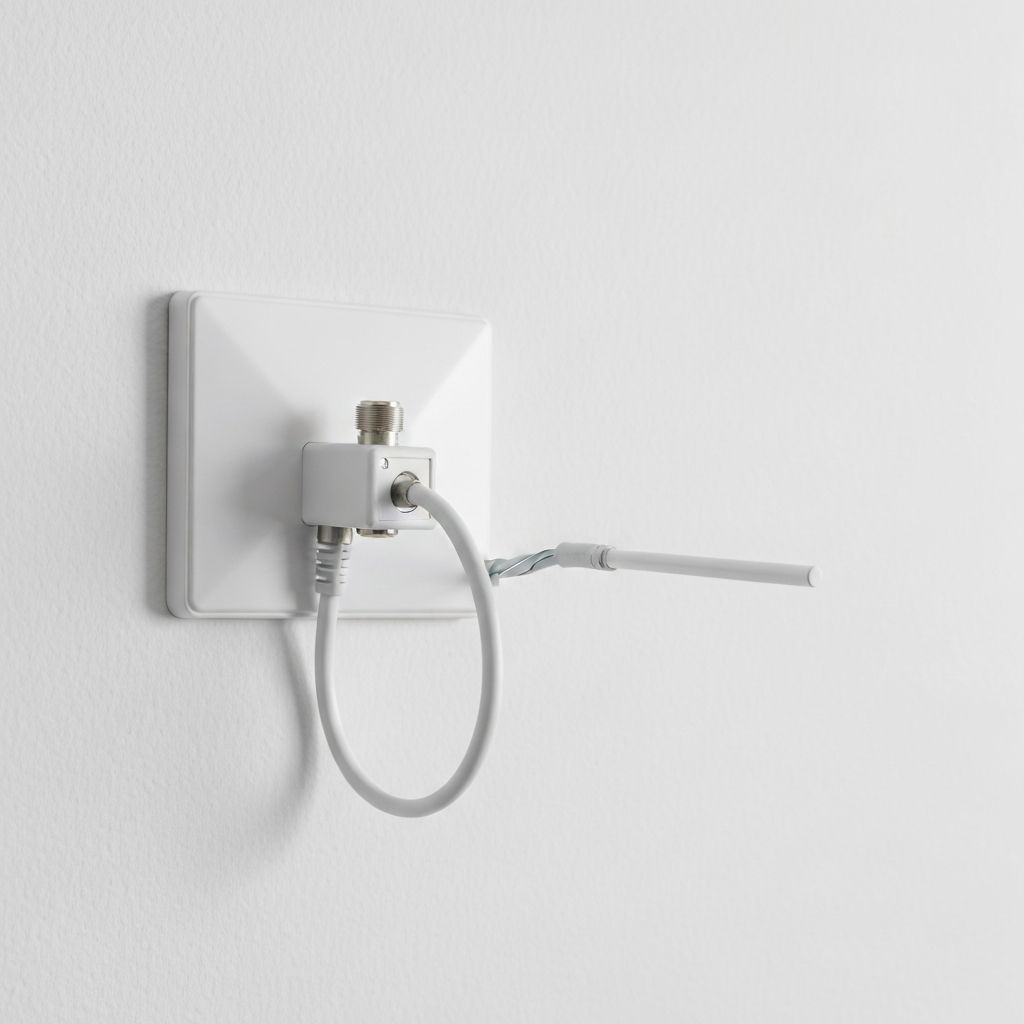
A TV point is the wall outlet your TV plugs into for free-to-air reception. It usually connects back to your roof antenna through coax cable.
In older homes, there might only be one point in the lounge room. Modern homes often need more:
- bedroom TV point
- theatre room point
- outdoor/patio TV point
- extra point for a rental room
- shed or granny flat point
- replacement for a broken or loose socket
People also use "TV point" to mean a few different things. Some mean a normal antenna outlet. Some mean data cabling behind a smart TV. Some mean a Foxtel or NBN-related point.
That matters because different cabling rules apply.
Quick legal note on cabling
Do not let anyone turn this into backyard legal advice.
In Australia, telecommunications cabling work must be done by, or supervised by, a registered cabler. That includes phone, data and some cabling that connects to telecommunications networks. ACMA is clear about that.
Plain TV antenna coax is a more specific area, and it is not always the same thing as data or phone cabling. But it still runs through roof spaces and walls, sits near electrical wiring, and affects signal performance across the home.
So the practical rule is simple:
- data, phone and NBN-style cabling: use a registered cabler
- TV antenna outlets: use a proper antenna installer who knows signal, roof work and safe cable runs
- if the job blends TV, data, internet or wall-mounted TV cabling: get someone qualified, insured and honest about what they are allowed to do
Cheap handyman cabling is not worth the risk.
What a proper new TV point install involves
A clean job usually follows this process.
1. Check the existing antenna signal
Before adding another point, I check what signal you already have.
If the antenna is weak, old, corroded or aimed badly, adding more points will not fix the problem. It may make it worse because every split reduces signal.
Sometimes the right answer is a new point. Sometimes the right answer is repairing the antenna first.
2. Work out the cable path
The easiest location is not always the best location.
A new wall point needs a cable path from the antenna system to the room. That might be through the roof space, down a wall cavity, under the house, or along a discreet external route if there is no clean internal path.
Brick homes, double-storey houses, low-pitch roofs and tight roof spaces can all change the job.
3. Split the signal properly
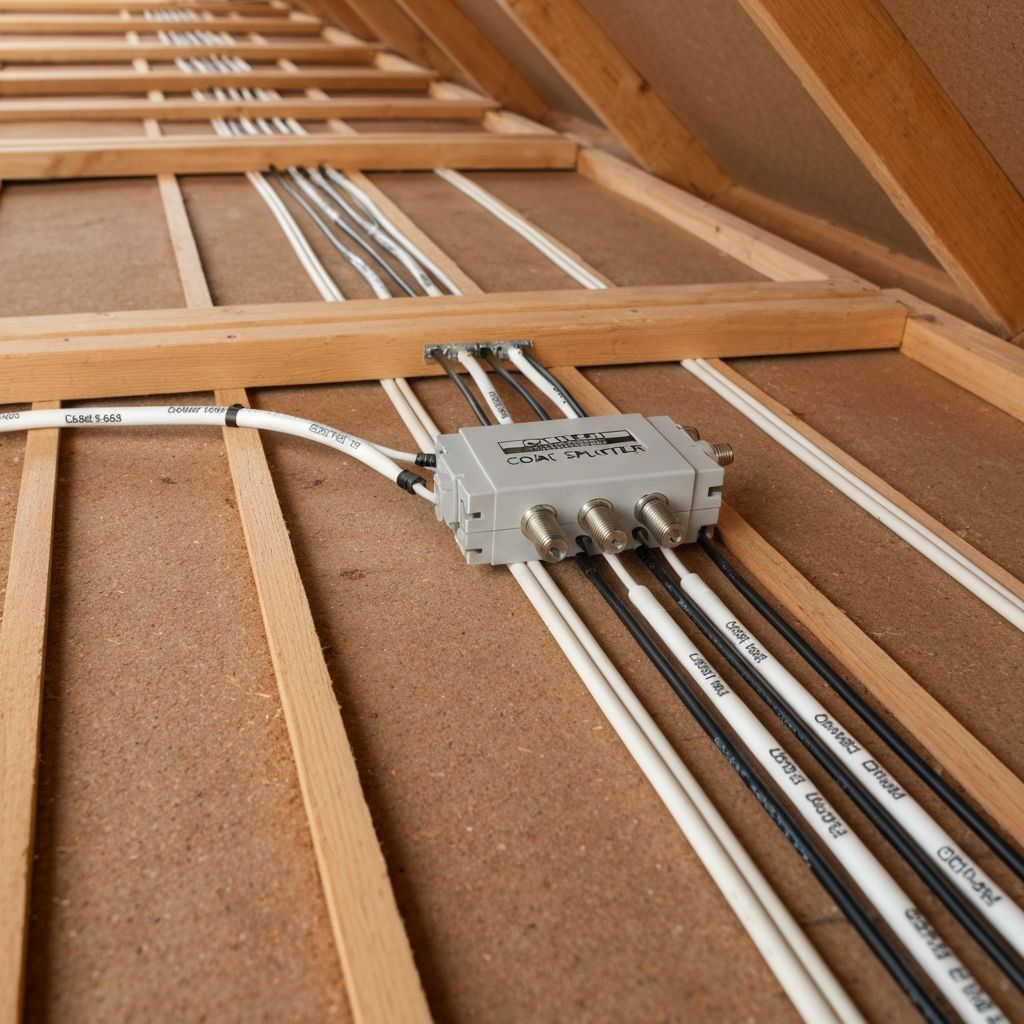
Adding a second or third TV point usually means splitting the signal.
A cheap splitter, wrong connector or messy join can cause:
- pixelation
- missing channels
- signal dropping in bad weather
- one TV working while another one does not
- weak signal across the whole house
The splitter has to suit the setup. Sometimes an amplifier is needed, but not always. Over-amplifying can cause problems too.
4. Install the wall plate neatly
Nobody wants a rough hole, crooked plate or cable hanging down the wall.
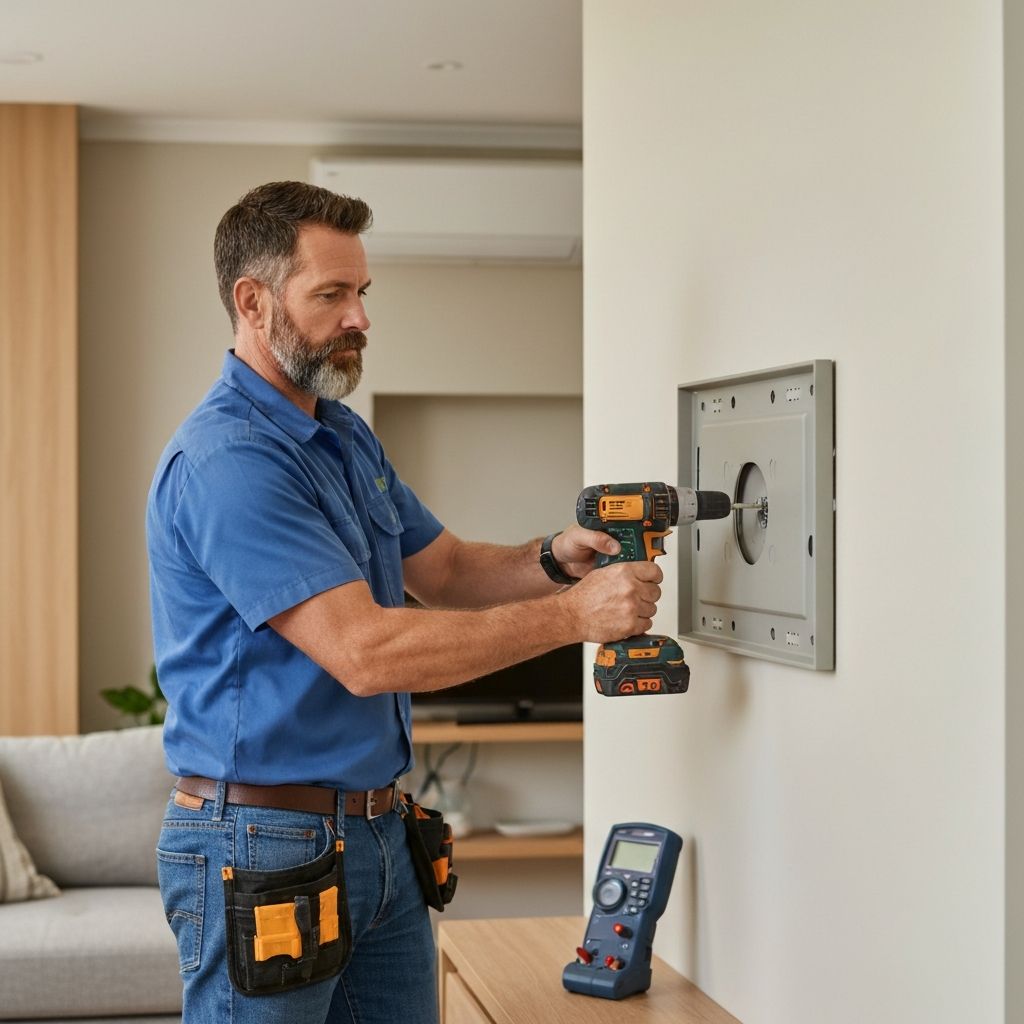
The wall plate should be neat, firm and in a useful position for the TV. If it is going behind a wall-mounted TV, placement matters even more because you do not want cables crushed or visible.
5. Test the point
The job is not finished until the point is tested.
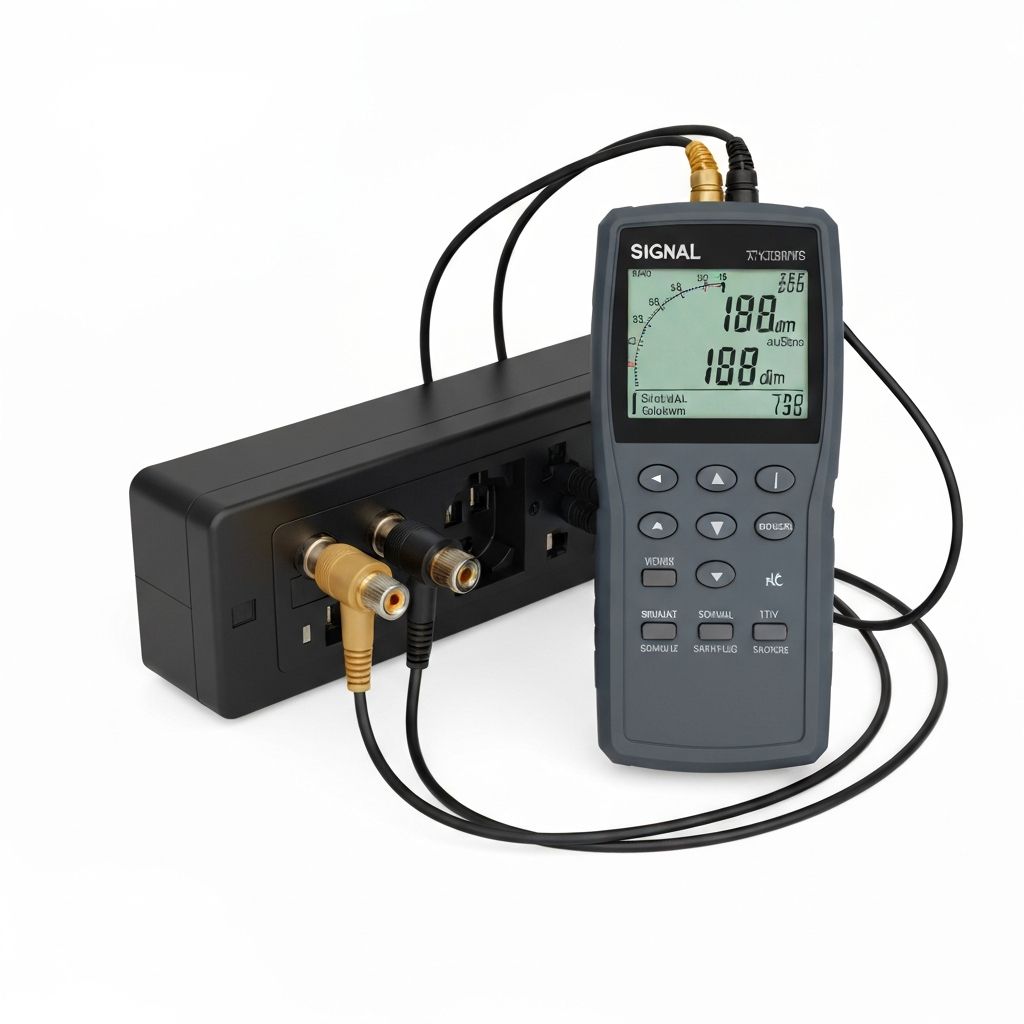
That means checking signal strength and quality at the outlet, tuning the TV if needed, and confirming the channels are working. Guessing is not testing.
What affects the cost?
New TV point prices vary because houses vary.
The cost depends on:
- how many points you need
- how hard the cable run is
- roof access
- wall type
- whether the existing antenna signal is strong enough
- whether a splitter, amplifier or antenna repair is needed
- whether the job includes wall mounting or hiding cables
A simple extra point in an easy single-storey home is very different from a two-storey brick home with no clear cable path.
If someone gives a rock-bottom price without asking about the antenna, cable route or roof access, expect shortcuts.
Common mistakes with new TV points
The most common mistakes are boring, but they cause most of the problems.
Splitting a weak signal
If the antenna signal is already average, splitting it can push it over the edge. You might get channels dropping out, especially at night or in bad weather.
Using poor connectors
A loose or badly fitted connector can cause intermittent faults that are annoying to find later.
Bad wall plate placement
Putting the point in the wrong spot means visible cables, furniture problems or a wall-mounted TV that does not sit flat.
No signal test
If the installer does not test the outlet, you are paying for hope.
Ignoring the antenna
Sometimes the new point is not the real issue. The old antenna, masthead amplifier, splitter or cable may already be failing.
Do you need an amplifier?
Maybe.
An amplifier can help when the signal is genuinely low after a split or long cable run. But it is not a magic fix. If the antenna is aimed badly, water has entered the cable, or the signal quality is poor, an amplifier may just boost a bad signal.
The right order is:
- Fix the source signal.
- Use proper splitters and cable.
- Add amplification only if needed.
Best places to add a TV point
The most common spots I install are:
- master bedroom
- spare bedroom
- theatre room
- outdoor patio
- kitchen/living area
- shed or workshop
- granny flat
- rental room
If you are renovating, it is worth thinking ahead. It is usually easier and cleaner to run points before walls are finished or before a TV is mounted.
Pick the location before the cable goes in
The best TV point location is not always directly behind where the TV sits today.
Think about:
- whether the TV might be wall mounted later
- where the power point is
- whether a cabinet will block the outlet
- where the antenna cable enters the room
- whether you also need data or a power point nearby
- whether kids, pets or furniture will pull on the cable
For wall-mounted TVs, the outlet needs to sit where the bracket and TV will not crush the cable. For bedrooms, the point needs to suit the bed position, not just the nearest wall cavity. A few minutes planning saves ugly extension cables later.